
You’ll find there’s a reasonable basis for using herbal blends to quiet restless thoughts, with valerian, chamomile, lemon balm, passionflower, and lavender repeatedly showing modest benefits in standardized preparations. Effectiveness depends on dosing, extract quality, and formulation, and results can be modest or comparable to placebo in some trials. Look for transparent labeling and third‑party testing, then consider pairing with breathing and grounding techniques for a steadier baseline as you explore options.
Key Points
- Multi-ingredient herbal blends (valerian, chamomile, lemon balm, passionflower, lavender) show modest, often placebo-overlapping benefits for quieting thoughts and sleep.
- Standardized preparations with documented phytochemical profiles and third-party testing improve interpretability and outcomes.
- Effects vary by preparation, dose, population, and blending ratios; replication and dose-response data are essential.
- Combine blends with mindful breathing or grounding practices to enhance onset and durability of relief.
- Seek clinician guidance for long-term use and ensure product quality, labeling transparency, and avoidance of contaminants.
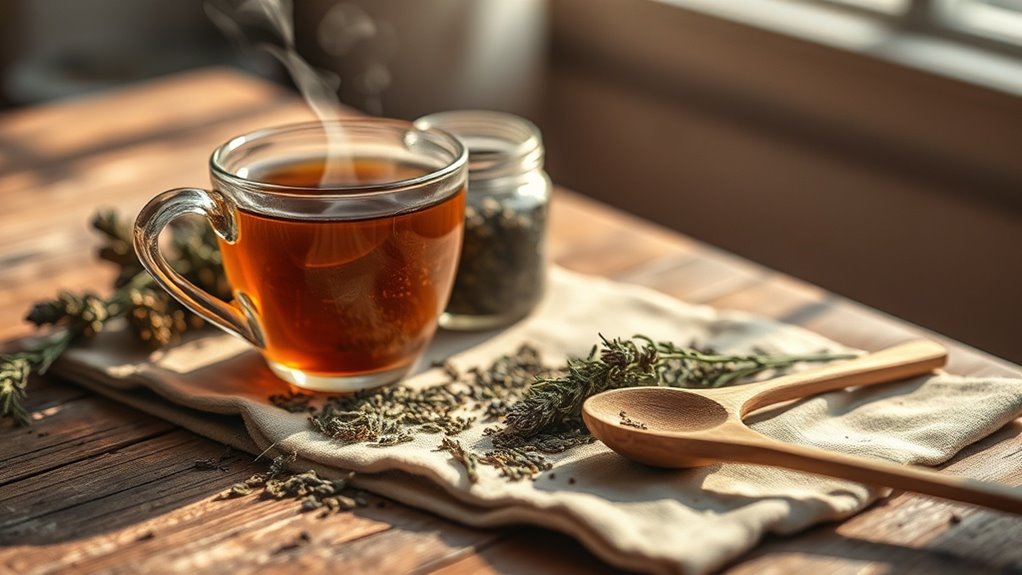
Are herbal blends effective for quieting restless thoughts, or is their benefit mainly placebo? You’re about to explore how certain herbal combinations perform under scrutiny, with an emphasis on what the evidence shows and where it doesn’t. You’ll evaluate oral blends, their active compounds, and the contexts in which they’re studied, so you can judge practical value rather than relying on anecdote. Most research treats herbal blends as multi-ingredient systems, not single agents, which means effects may arise from synergistic or additive interactions among components. You may notice that results vary by preparation, dosage, and population, making generalizations risky. In this frame, you’ll consider whether reported reductions in anxiety, rumination, or sleep disturbance translate into meaningful improvements in daytime functioning or cognitive calm. You’ll weigh objective measures, such as sleep latency, heart rate variability, and cortisol shifts, against subjective reports of quieting thoughts.
When you examine popular candidates, consider standardized preparations and blinding integrity in trials. Valerian, chamomile, lemon balm, passionflower, and lavender appear most frequently in reviews addressing sleep and anxiety symptoms. Some meta-analyses show modest benefits for certain outcomes, but effects are often small and overlap with placebo. You’ll also encounter studies where active control comparisons temper expectations, making it clear that expectancy alone cannot explain all observed changes. The best-supported blends tend to be those with balanced constituent ratios and documented phytochemical profiles, allowing replication and dose-response assessment. You should understand that product quality, including contaminant screening and standardization of active constituents like valerenic acids or flavonoids, profoundly affects outcomes. If you plan to use blends, you’ll benefit from choosing products with third-party testing and transparent labeling.
In daily practice, you may combine herbal blends with behavioral strategies to enhance efficacy. Mindful breathing and grounding rituals are repeatedly linked to reductions in arousal and cognitive intrusion, offering non-pharmacologic mechanisms that can augment or, in some cases, substitute for herb-driven effects. If you adopt mindful breathing during or after consuming a blend, you might experience better notice of relief onset and more durable quieting of restless thoughts. Grounding rituals—sensory focus, posture grounding, or time-limited exposure to soothing environments—can create a context in which herb effects are more likely to manifest. You should recognize that, in controlled settings, herbs may reduce distress acutely but do not guarantee sustained impairment-free cognition throughout the day. Finally, you’ll appreciate that individual response profiles vary, so personalization, cautious titration, and consultation with a clinician remain prudent steps before committing to extended use.
Frequently Asked Questions
Is There a Best Time of Day to Take These Blends?
The best time of day to take these blends varies by your schedule, but many studies suggest taking them 30 to 60 minutes before bedtime for a calming effect. You might find some herbs work better when taken earlier in the evening, while others require closer to bedtime. Track effects, adjust timing, and consider how long before bedtime you notice improvements. If you’re sensitive, start with a smaller dose and monitor your sleep quality.
Can These Herbs Replace Medical Treatment for Anxiety?
Herbal substitutes can’t replace medical treatment for anxiety. You should continue prescribed care, monitor symptoms, and consult a clinician before changing anything. You’ll weigh evidence, compare outcomes, and consider risks. While some herbs show modest anxiety outcomes in studies, they’re not proven curatives or substitutes for evidence-based therapies. You should use them only as adjuncts, not replacements, and rely on a clinician for diagnosis, dosing, and safety. Regular follow-up remains essential.
Are Herbal Blends Safe During Pregnancy or Breastfeeding?
Short answer: consult your healthcare provider before using any herbal blends during pregnancy or breastfeeding. Evidence on safety is mixed; many herbs can affect hormones, uterine activity, or milk supply. While some may be used briefly, you should avoid assuming safety. If you pursue Aromatherapy anxiety or Sleep friendly herbs, choose products with clear labeling and known, tested ingredients. Prioritize non-pharmacologic strategies and discontinue use if any adverse effects arise.
How Long Before Bedtime Should I Use Them?
You should use them how long before bedtime, aiming for about 30 to 60 minutes prior to sleep. The best time of day is earlier in the evening, not right before lying down, to allow effects to onset without disrupting sleep architecture. Evidence suggests varying onset by herb, so start with a low dose and monitor response. If sleep isn’t improving after a few days, reassess timing and consider consulting a clinician.
Do Herbs Interact With Common Prescription Medications?
Herbs can interact with prescription meds, so you should tread carefully. Herbal interactions exist, and timing matters, especially with medications that require strict timing. Do not mix herbal blends with anticoagulants, anticonvulsants, or antidepressants without clinician guidance. If you’re concerned about interactions, discuss medication timing and potential herb choices with your doctor or pharmacist. You deserve evidence-based guidance to minimize risk while exploring gentle, adjunctive options.