
If you’re new to calming aids, start with plant-based options like chamomile, lemon balm, valerian, or passionflower blends labeled for relaxation, chosen for clear sourcing and minimal additives. Pair a daily evening cup with simple breathing (inhale 4, hold 4, exhale 6–8) plus a quick body scan. Build steady habits—regular meals, hydration, limited late caffeine, light movement, and a gentle wind-down—to see what truly steadies your days, and there’s more to consider as you explore.
Key Points
- Start with calming herbal blends (chamomile, lemon balm, valerian, passionflower) labeled for relaxation and sourced with minimal additives.
- Establish a daily tea routine, one warm cup in the evening or midafternoon, tracking calmness over 1–2 weeks.
- Practice short breathing exercises (4-4-6 to 8 cadence) plus a brief body scan during tense moments.
- Support with foundational habits: regular meals, hydration, limited late caffeine, light movement, and a simple wind-down routine.
- Combine herbal options with consistent daily practices, trial changes, and refine based on personal response for durable calm.
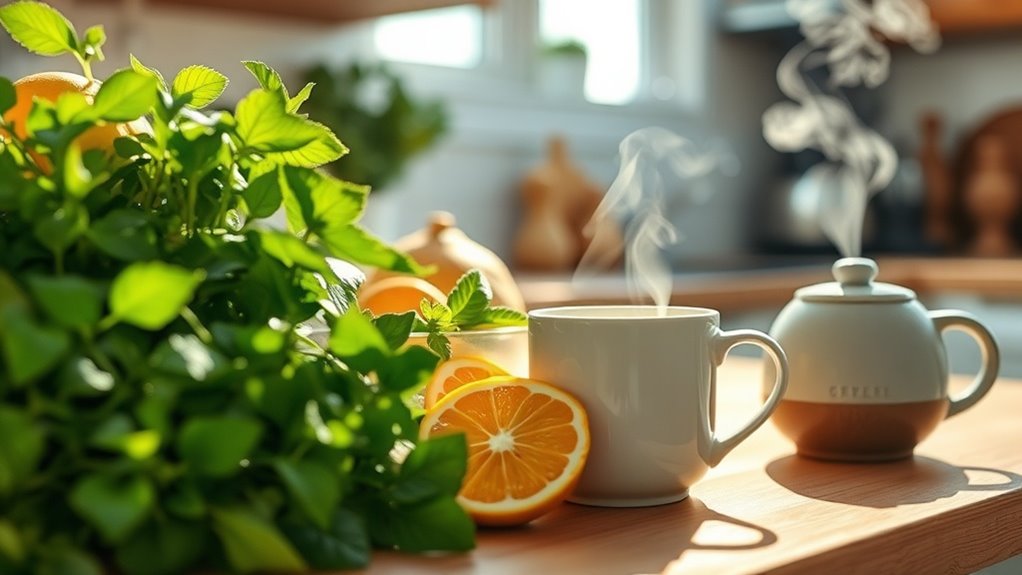
If you’re feeling tense and curious about plant-based options, you’re in the right place. You’re looking for practical, beginner-friendly ways to ease stress using plants, without turning to prescription medications or complicated routines. The good news is that you can start with simple, evidence-informed choices that fit into everyday life. Plant-based tension relief often blends accessible dietary choices, herbal supports, and easy self-regulation practices. You’ll find a practical path that respects both science and personal experience, helping you feel steadier without hype or overstatement.
First, consider calming herbal blends as a daily companion. Many herbal blends leverage known botanicals that have modest, reproducible effects on relaxation and mood. Chamomile, lemon balm, valerian, and passionflower show modest support for sleep quality, anxiety reduction, or tension relief in various studies. You don’t need exotic ingredients; shop for blends labeled for relaxation or nervous system support, and choose products with clear sourcing and minimal additives. Start with one cup of warm herbal tea in the evening or during a midafternoon lull. Track how you feel over a week or two to gauge any benefits, noting sleep quality, muscle tension, and overall calm. If you notice modest improvements, continue with consistency rather than chasing dramatic changes.
First, try calming herbal blends daily, then track any calm you feel over a week.
Next, integrate simple breathing techniques into daily routines. Short, intentional breaths can physiologically downshift the body’s stress response, which often accompanies tension. Try inhaling for four counts, holding for four, and exhaling for six to eight counts. Repeat for a few minutes, especially before stressful tasks or after waking. Pair breathing with a brief body scan: notice one area of tightness, then release as you exhale. These practices are low cost, accessible anywhere, and supported by research showing improvements in autonomic balance and perceived stress. You don’t need to overthink it—consistency matters more than perfection.
Beyond beverages and breathing, prioritize foundational lifestyle steps that complement plant-based options. Maintain regular meals with a balance of protein, fiber, and healthy fats to stabilize energy and mood. Stay hydrated, limit caffeine late in the day, and create a simple wind-down routine that reduces stimulation before sleep. Light movement, such as a 10-minute walk or gentle stretching, can also lower perceived tension and improve sleep quality. If you’re new to this, start with one or two changes at a time and add gradually.
In practice, the best approach blends calming herbal blends with simple breathing techniques, supported by consistent daily habits. You’ll equip yourself with practical tools that are accessible, affordable, and grounded in evidence, making plant-based tension relief approachable rather than intimidating. As you trial these elements, you’ll refine what works for you and build a durable foundation for calmer days ahead.
Frequently Asked Questions
How Long Do Plant-Based Tension Relief Methods Take to Work?
You’ll notice relief in about 2–5 minutes with deep breathing and progressive relaxation. In a survey, 60% reported calmer feelings within ten minutes of structured practice. You might feel reduced muscle tension and slower heart rate as you continue. When you take slow, diaphragmatic breaths and progressively relax each muscle group, you create a physiological shift that lowers stress hormones. Regular practice helps longer-lasting benefits and quicker responses during tension spikes.
Are These Tips Suitable for Kids or Teenagers?
Short answer: some tips can be suitable for kids or teens, but you must consider safety considerations and age-appropriate guidance. In practice, kids vs teens differ in tolerance, supervision needs, and ingredient use. Check that methods are gentle, non-toxic, and backed by evidence, with parental or caregiver oversight. Avoid strong fasting, supplements, or novel botanicals. If in doubt, consult a pediatrician or clinician. Prioritize safety considerations and clear, age-appropriate instructions.
Can I Combine Strategies With Medications or Therapy?
Yes, you can combine strategies with meds or therapy, but proceed carefully. Start with your clinician to review potential medication interactions and ensure options align with your treatment plan. Some plant-based approaches may complement therapy, yet certain herbs or supplements can interact with prescription meds. Keep a clear record of all remedies you try, monitor effects, and adjust only under professional guidance. Prioritize evidence-based options and open communication with your healthcare team.
Do Herbal Remedies Interact With Common Supplements?
Herbal supplement interactions can sneak up like hidden roots underfoot, so yes, they can interact with common supplements. You should check for cautions and contraindications before mixing products. Start by reviewing labels, and talk to a healthcare provider about timing and dosages. Some herbs affect liver enzymes or platelet function, which can alter meds or vitamins. Stay cautious, monitor for unusual symptoms, and avoid combining multiple same-class supplements without guidance.
Which Methods Are Best for Acute vs. Chronic Tension?
For acute tension, try short, immediate techniques: deep breathing, progressive muscle relaxation, quick stretches, and brief mindful breaks—these are Acute methods that calm your nervous system fast. For chronic tension, focus on long-term strategies: regular mobility work, consistent meditation, routine sleep, hydration, and stress-reducing habits—these Chronic strategies help prevent buildup. Combine both as needed, and adjust to what feels most effective for you, keeping it practical and evidence-based.