
Like a quiet chorus rising from a plant’s breath, aroma can nudge mood and focus. You encounter volatile compounds that bind olfactory receptors, signaling emotion and attention regions in the brain. Effects hinge on odor quality, concentration, and context, shaped by expectancy and prior experience. With steady, moderate exposure you may notice steadier focus and smoother fine-motor tasks under load, though outcomes vary. Consider calibrated use alongside sleep and workload strategy to see what unfolds next.
Key Points
- Odorant molecules bind olfactory receptors and modulate brain regions involved in emotion, attention, and memory, influencing mood and focus.
- Effects depend on odor quality, concentration, context, and individual expectations, with small, task-specific improvements common.
- Moderate, steady scent exposure can enhance sustained attention and performance on tasks requiring working memory or fine motor control.
- Aromatic cues can cue mood and cognitive strategies, supporting goal-directed behavior through odor–brain–behavior pathways.
- Practical use favors safe, moderate doses and task-aligned exposure, integrating sleep, nutrition, and workload management for sustained effects.
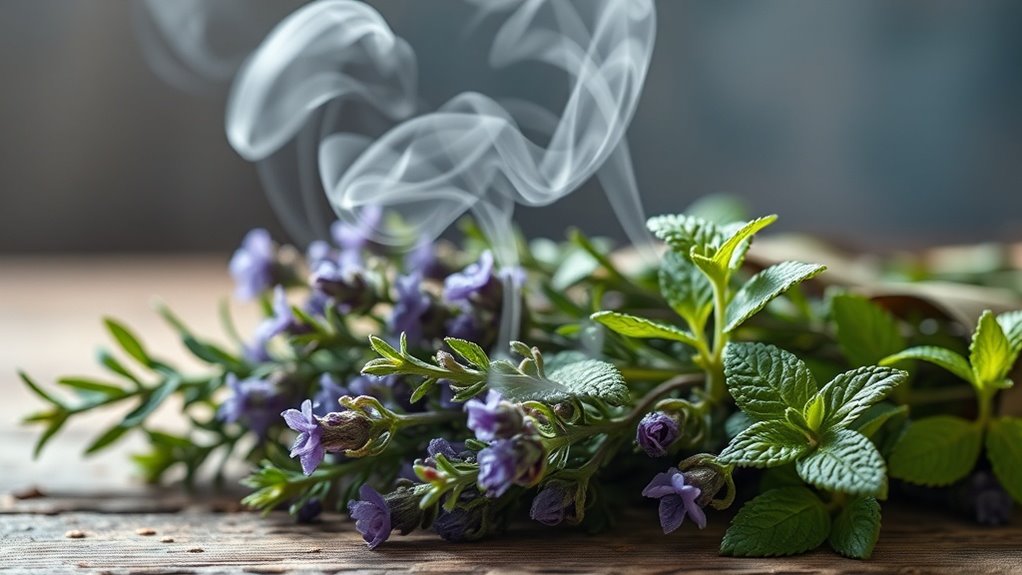
Ever wonder how ambient scents can shift your mood and sharpen your focus? You’re not imagining it. When you encounter a particular smell, you engage a network of neural and hormonal responses that can alter cognitive performance and affective state. In this discussion, you’ll examine how aromatic plants contribute to mood regulation and task performance, with emphasis on empirical nuance rather than anecdote. Across controlled studies and real‑world settings, the mechanism generally follows odorant molecules entering the nasal cavity, binding to olfactory receptors, and signaling brain regions involved in emotion, attention, and memory. You’ll see that effects are not uniform; they depend on odor quality, concentration, individual experience, and context.
You’ll notice that specific essential oils and botanical cues can modulate arousal and stress reactivity. For instance, certain terpenes appear to influence limbic circuits linked to mood. Yet you’ll also encounter findings that emphasize baseline state and expectancy. If you’re calm but fatigued, a mild aromatic stimulus might bolster vigilance; if you’re already anxious, the same cue could provoke discomfort unless the exposure is calibrated. In practical terms, you’ll often need a steady, moderate dose and a non‑stimulant profile to support sustained attention without elevating irritability.
A rigorous line of inquiry recognizes the difference between transient mood shifts and durable cognitive benefits. You’ll see that scent exposure can improve objective measures of performance in some tasks, particularly those requiring sustained attention, fine motor control, or working memory under moderate load. You’ll also learn that subjective ease and perceived efficiency commonly accompany these effects, yet the magnitude of change is typically small and sensitive to expectancy. This nuance matters: you shouldn’t oversell the impact of any single scent, but you can acknowledge consistent, replicable patterns across experimental paradigms.
Within this framework, you’ll explore the relevant subtopics without subheadings. For example, aromatic plant yoga describes a practice that blends breath, posture, and scent exposure to create a controlled environment for cognitive tasks. You’ll find that the ritual can help regulate autonomic balance and reduce perceptual effort, which some participants equate with improved focus. Another concept, scent triggered productivity, captures the idea that a well‑structured scent profile may cue goal‑oriented behavior, enhancing task initiation and persistence for certain individuals and settings. You’ll weigh the evidence for these claims against methodological limits, such as small samples, heterogeneous aromas, and varying control conditions.
Ultimately, you’ll recognize that the practical takeaway is situationally contingent. Aromatic plants can support mood stabilization and attention in combination with good sleep, nutrition, and workload management, but they’re not a standalone fix. If you employ them thoughtfully—carefully selecting scents, monitoring response, and aligning exposure with objective tasks—you’ll harness a subtle, evidence‑based pathway to better everyday functioning.
Frequently Asked Questions
Do Aromatics Affect Sleep Quality Directly or Only Mood?
Aromatics can improve sleep quality directly in some people, but effects are variable and often indirect through mood. You might notice calmer sleep when using mood-focused scents like lavender or chamomile, yet evidence shows arousal, circadian alignment, and sleep architecture are influenced by context, dose, and individual differences. So yes, sleep can be affected directly, but mood-focused scents frequently mediate benefits. You should monitor personal responses, combining sleep-hygiene practices with targeted aromatics for best results.
Can Essential Oils Replace Prescribed Medications for Mood?
No, essential oils cannot replace prescribed medications. You should view them as symbols of complementary care, not substitutes, with careful, evidence-based use. You’ll experience mood shifts and potential interactions, but essential oils aren’t a substitute for clinically approved treatments. Rigorously weigh risks, consult a clinician, and use them alongside prescribed medications only under guidance, never as a sole therapy. Your mental health deserves empiric monitoring, dose caution, and personalized, medically informed decision-making.
Are There Safety Concerns With Long-Term Aromatic Plant Use?
Yes, there are safety concerns with long-term aromatic plant use. You should consider safety considerations and note potential cumulative effects from long term exposure, including skin irritation, sensitization, or organ system impacts. You may also encounter interactions with medications or underlying conditions. If you use essential oils or herbs consistently, monitor for headaches, dizziness, or mood changes, and consult a clinician. Limit duration, dilute properly, and prefer evidence-based regimens to minimize risks.
Which Scents Boost Focus Without Causing Headaches?
Focus safe scents that boost focus without causing headaches include peppermint, citrus, and rosemary. You’ll likely notice brisk alertness with peppermint and balanced attention from citrus blends, while rosemary may support memory and vigilance for tasks demanding steady concentration. To stay headache free, avoid overpowering doses, use low-concentration diffusers, and ventilate rooms. Track personal responses, rotate scents, and prefer pure, additive-free options. If sensitivity appears, discontinue use and consult a clinician.
Do Effects Vary Across Ages or Health Conditions?
Yes, effects vary by age and health condition. You’ll find age related aromatics can shift potency and tolerance, while metabolic changes influence duration and response. Health condition interactions matter too: respiratory, hepatic, or neurological factors can alter absorption and safety profiles. In practice, start low, monitor outcomes, and adjust cautiously. Across ages, you may see different mood and attention responses, suggesting individualized approaches for safe, effective aromatic use.